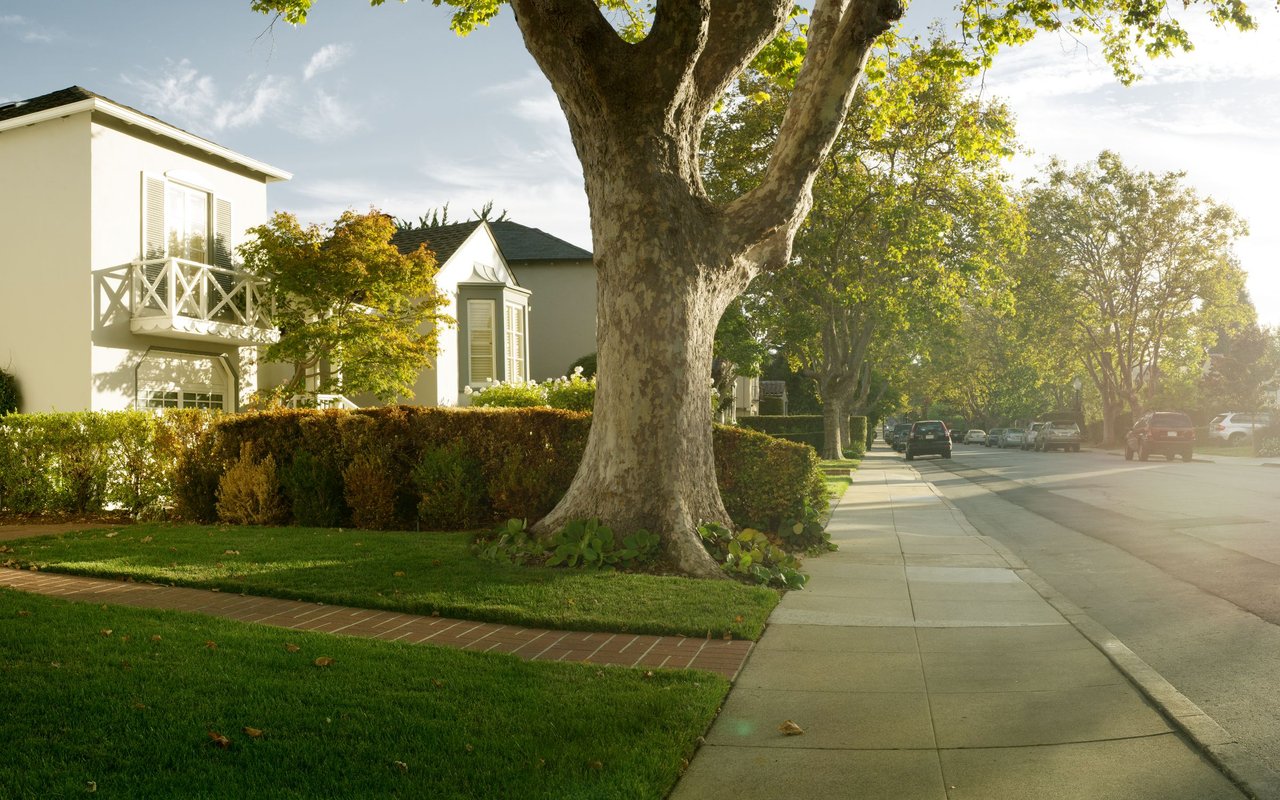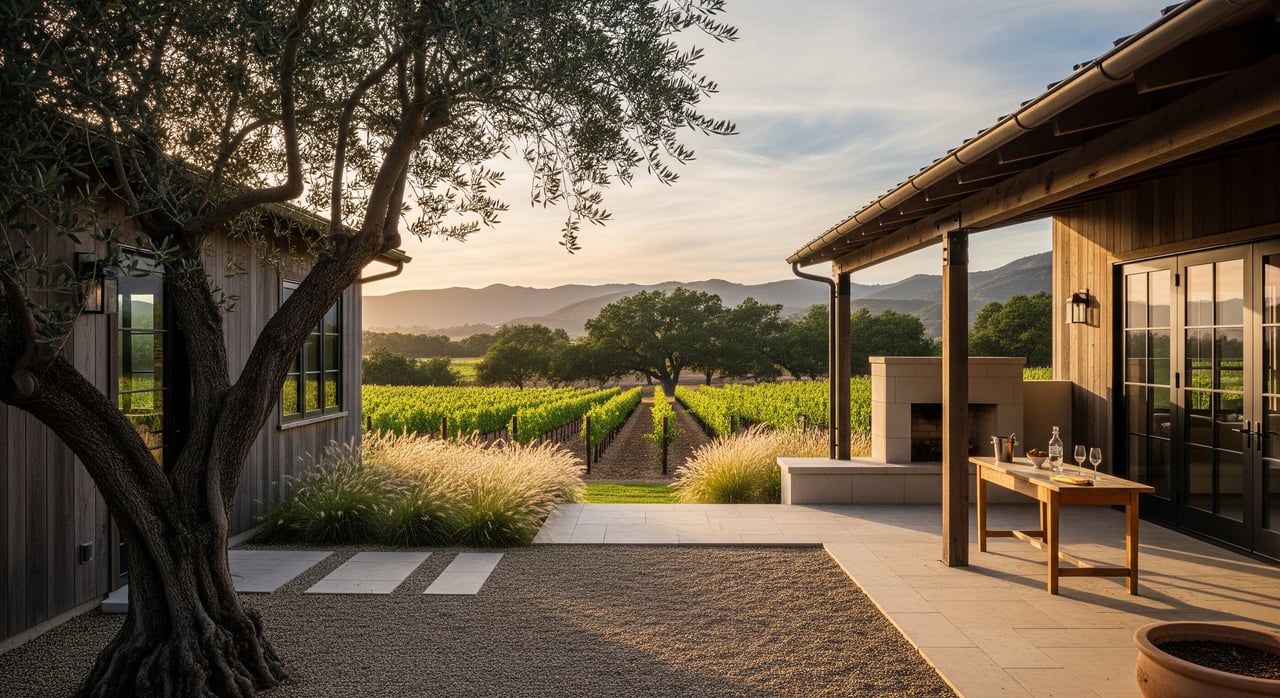
Picture a quiet morning walk to a café, tasting rooms opening their doors down the block, and open hills just a short drive away. If you’re drawn to a slower, wine‑country rhythm without losing access to amenities, Los Olivos might be a great fit. In this guide, you’ll learn what day‑to‑day living feels like, the types of properties available, and the practical checks that matter before you buy. Let’s dive in.
Why Los Olivos appeals to buyers
Small‑town core, wine‑country vibe
Los Olivos is a small, rural village in the Santa Ynez Valley with a walkable main street. You’ll find boutique tasting rooms, shops, and cafés in a compact downtown that feels relaxed and friendly. Larger production wineries and vineyards are mostly outside the village on surrounding parcels.
Outdoor lifestyle and open space
You live close to trails, ranch roads, and vineyard country. Many residents enjoy hiking, cycling, horseback riding, and easy day trips to nearby hills and coastal spots. The pace is calm and centered on the outdoors.
Seasonal energy from tourism
Tourism is part of the local rhythm. Weekends and harvest season bring more visitors, which adds energy downtown. Expect a quieter pace midweek and a lively scene on popular weekends.
What you can buy in Los Olivos
Village cottages and lots
In or near the core village, you’ll see smaller single‑family homes, from historic cottages to newer builds. These properties offer walkability to downtown tasting rooms and dining, plus a simple maintenance profile.
Ranchettes and equestrian parcels
Just outside the village, small to mid‑sized acreage is common. Many parcels are set up for horses or hobby farming, with barns, arenas, or fenced pastures. Driveways can be private, so confirm any shared road maintenance agreements.
Vineyard and estate properties
You can find vineyard‑planted acreage, vineyard‑ready land, or estate homes with agricultural infrastructure. Some estates include barns, storage, or small‑scale production features. If you plan to operate a vineyard, budget for irrigation, labor, and ongoing vineyard management.
Accessory units and guest houses
Many properties include or allow accessory dwelling units or guest cottages. If that flexibility is important to you, verify local permitting and what the County will approve on your specific parcel.
Zoning, water, and land‑use basics
County jurisdiction and zoning
Los Olivos is unincorporated, so Santa Barbara County Planning & Development handles permits and zoning. Rural residential and agricultural designations are common. Zoning determines what you can do on a property, including events, equestrian facilities, or commercial wine production.
Wells, septic, and utilities
Rural homes often rely on private wells and septic systems. Septic capacity can limit bedroom count, and well yield and pump capacity are important for both home use and irrigation. Natural gas is less common in rural areas. Many owners use propane. Broadband and cell coverage vary by address, so confirm service early.
Conservation easements and Williamson Act
Some parcels carry conservation easements or agricultural conservation contracts under the Williamson Act. These can reduce development rights and may affect taxes, permitted uses, and resale considerations. Review all recorded documents and confirm details with the County.
Daily logistics: schools, services, commute
Schools and childcare
Los Olivos is served by the Santa Ynez Valley public school network. A small public elementary school is located in the village area, and high‑school students generally attend regional Santa Ynez Valley schools. Always confirm district boundaries, programs, and transportation with the local district.
Groceries, healthcare, and services
Downtown offers tasting rooms and dining. For grocery shopping and general retail, most residents drive to nearby Solvang or Buellton. Clinics and urgent care are available in valley towns, while hospital services are typically in larger regional facilities. Check the nearest emergency care and response districts from the specific address.
Commute patterns and airports
Driving is the norm here. Nearby errands are a quick trip to Solvang or Buellton. Commuting to Santa Barbara or the coast can take about an hour or more depending on traffic and destination. For air travel, Santa Barbara Municipal Airport and LAX are the main regional options. Private aviation users can look into smaller regional airstrips.
Internet and cell coverage
Service varies by street and even by parcel. Options can include DSL or cable where available, fixed wireless, and satellite. Confirm availability and speeds with providers for the exact address before you make an offer.
Rentals, events, and business uses
Short‑term rentals (STRs)
Short‑term rentals in unincorporated Santa Barbara County are regulated and can require permits. Rules change over time, and some properties may not qualify. If you plan to run an STR, verify current county ordinances, permit availability, and tax requirements before you buy.
Winery tasting and events
Using a property for commercial tasting or events often requires a conditional use permit. County rules govern noise, parking, and traffic. Confirm what is allowed on a specific parcel with Planning & Development.
Risks, costs, and financing to plan for
Wildfire risk and insurance
The Santa Ynez Valley has elevated wildfire exposure. Include wildfire mapping and insurance checks in your contingencies. Get multiple insurance quotes early, ask about defensible space, and review any home‑hardening needs. Confirm evacuation routes and community alerts for your property.
Water and drought planning
California’s drought cycles can affect well yields and irrigation. If you’re considering a vineyard or acreage with significant irrigation needs, verify well capacity, pumping permissions, and any shared water systems. For larger agricultural operations, you may need separate water rights.
Taxes and operating costs
California’s base property tax is roughly 1 percent of assessed value plus local assessments. Agricultural contracts or easements may change tax treatment. Properties with vineyards or equestrian infrastructure carry higher operating costs. Budget for labor, irrigation, fencing, equipment, and specialized insurance.
Financing and appraisal notes
Rural and semi‑agricultural properties can face different underwriting requirements. Lenders may require well and septic inspections, plus documentation for operational vineyards. If you plan to operate an STR or a commercial facility, discuss your plans with lenders upfront since that can change loan options.
Buyer due‑diligence checklist
Use this list to organize your contingencies and conversations with your agent and the County:
- Zoning and permitted uses. Confirm zoning, density, and permitted activities with Santa Barbara County Planning & Development.
- Title and recorded items. Review easements, road maintenance agreements, conservation easements, and any deed restrictions.
- Septic system. Order a certified septic inspection. Confirm permits and the bedroom allowance with Environmental Health.
- Well and water. Schedule pump and water quality tests. Verify any shared‑well agreements and permitted use for irrigation or agricultural needs.
- Wildfire and insurance. Check wildfire hazard maps, assess defensible‑space compliance, and secure multiple insurance quotes.
- Structural and pest. Complete a general home inspection and a termite/pest inspection. If barns or outbuildings exist, inspect them too.
- Vineyard or ag review (if applicable). Hire a viticulture consultant to review vine health, yield history, water needs, and any grape contracts or liens.
- STR and commercial permits. If you want a vacation rental or event venue, confirm current county rules and permit pathway.
- Utilities and connectivity. Verify electric service, propane arrangements, trash services, and broadband options at the address.
How to decide if Los Olivos is right for you
If you want a village‑scale lifestyle with wine‑country flavor, easy access to outdoor recreation, and room to spread out, Los Olivos delivers. You will trade big‑box convenience for a quieter, more intentional routine. The key is to align the property type with your goals, then run a disciplined due‑diligence process so there are no surprises on water, septic, permits, or insurance.
When you are ready to explore properties or need a second opinion on due diligence, connect with a local advisor who works this market every day. If you want a steady, high‑touch partner for the process, reach out to Wade Koch. Let’s Connect — Schedule a Free Consultation.
FAQs
Are there many wineries in Los Olivos?
- The village itself is concentrated with boutique tasting rooms and wine‑country hospitality, while larger production wineries and vineyards are located on surrounding parcels in the valley.
How walkable is Los Olivos for daily needs?
- Downtown is walkable for tasting rooms, shops, and dining. Most residents drive to nearby Solvang or Buellton for grocery and broader retail needs.
Do Los Olivos homes have municipal water and sewer?
- Many rural properties rely on private wells and septic systems. Always verify water source and septic permits for the specific address.
What are the biggest buyer risks in Los Olivos?
- Key risks include wildfire exposure, water availability during drought years, county land‑use restrictions, and peak‑season traffic impacts. Address these with mapping, inspections, insurance quotes, and permit checks.
Can I run a short‑term rental or host events on my property?
- Possibly, but county rules apply. Short‑term rentals and event uses may require permits and can be restricted by zoning or recorded conditions. Verify eligibility before you purchase.