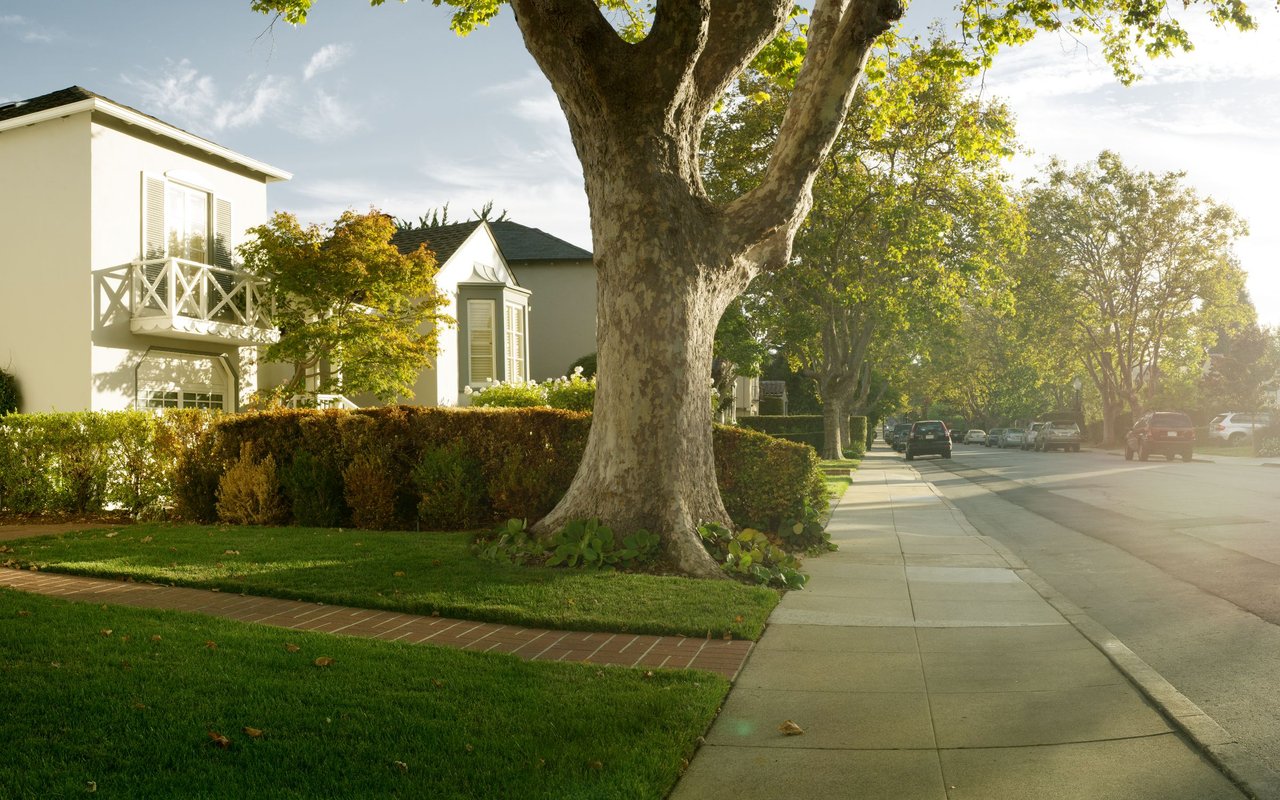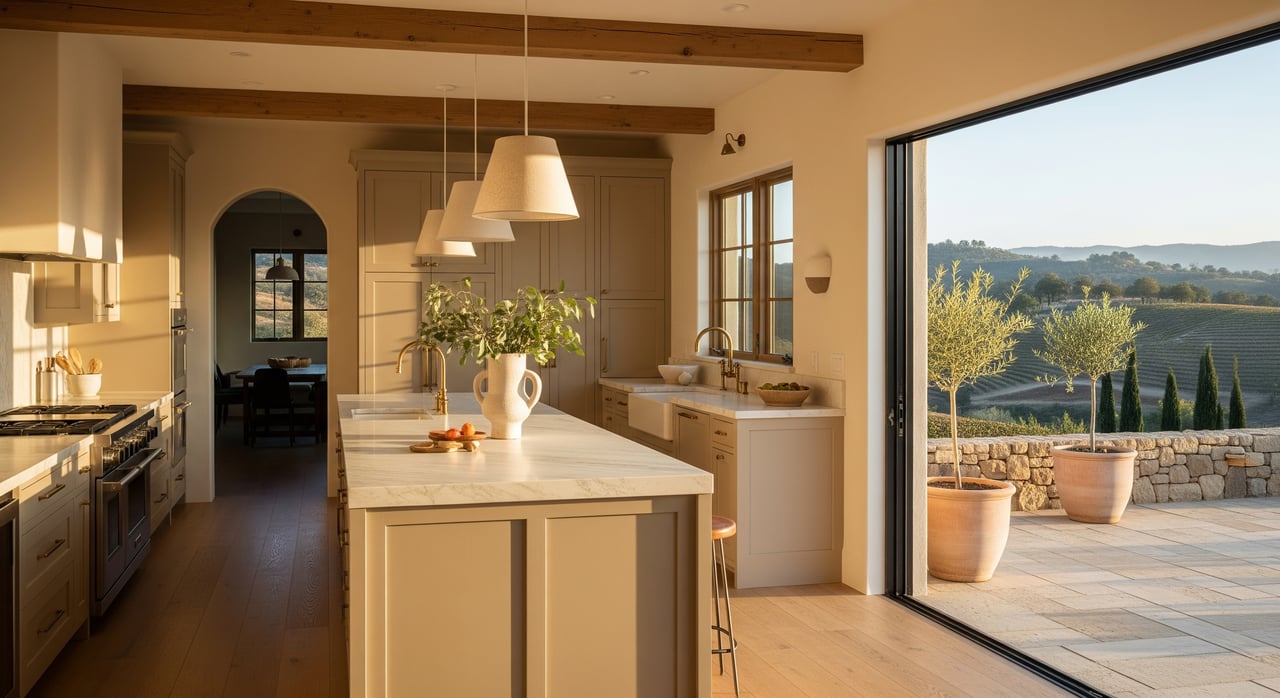
Thinking about listing your Los Olivos property but unsure which upgrades are worth it? In wine-country estates, first impressions and function matter as much as finishes. You want changes that attract the right buyers, support smoother inspections, and help your home sell with confidence.
This guide focuses on high-ROI touchups for Los Olivos and the wider Santa Ynez Valley. You’ll learn which projects deliver visible value, how to plan your timeline, and what to consider with permits, water, and wildfire. Let’s dive in.
What buyers want in Los Olivos
Los Olivos sits in Santa Barbara County’s Santa Ynez Valley, where buyers look for privacy, vineyard-adjacent aesthetics, and properties that feel well cared for. Many homes include long driveways, guesthouses or barns, and rural systems like wells and septic. Curb appeal and ease of access set the tone the moment buyers arrive.
Water-wise landscaping and fire-safety features matter here. The region has a Mediterranean climate with hot, dry summers. Buyers value thoughtful irrigation, drought-tolerant plants, and signs of good maintenance. Wildfire preparedness and clear access also influence peace of mind and insurability.
Renovations that pay attention
Driveway approach and entrance
A clean, well-drained driveway is one of the strongest first impressions on an estate property.
- Scope: Regrade or resurface with decomposed granite or compacted gravel, tidy edges, address drainage, and add subtle driveway lighting and visible numbering.
- Why it pays: You boost curb appeal and show maintained access, which matters for everyday use and emergency vehicles. Dust control and all-weather access are practical wins.
- Permit flags: Work that changes a driveway connection to a county road can require an encroachment or driveway permit. Grading and drainage work may need review by Santa Barbara County agencies.
- Cost/ROI: Medium cost with medium-to-high perceived value for rural estates.
- Timing: Small resurfacing often takes 1 to 2 weeks, while permits and larger grading can add weeks to months.
Pro tip: In this market, decomposed granite fits the local look and is often cost-effective. Get the base and drainage right to prevent washouts.
Drought-tolerant landscaping
Water-wise updates are a visible selling point and align with local climate realities.
- Scope: Replace thirsty turf with native or Mediterranean plants like sages, manzanita, ceanothus, buckwheat, and rosemary. Add drip irrigation, mulch, and a smart controller.
- Why it pays: Buyers expect lower water use and simple upkeep. A clean front approach and entry beds can transform first impressions.
- Permit flags: Landscaping rarely needs permits, though irrigation tied to wells or water districts may have rules. Be mindful near creeks or protected habitat.
- Cost/ROI: Low-to-medium cost with high ROI for curb appeal.
- Timing: Plan 2 to 6 weeks for design and plant procurement, then 1 to 3 weeks for installation.
Pro tip: Choose color and texture that look good year-round. Group plants by water needs to keep maintenance easy.
Exterior paint and surface refresh
Fresh paint signals care and can make older structures look current.
- Scope: Power wash, repair trim and fascia, and repaint siding, doors, and visible outbuildings.
- Why it pays: It’s one of the highest-impact cosmetic projects, especially when barns or guesthouses are visible from the house or road.
- Permit flags: Paint alone usually doesn’t need permits. Structural repairs do, and historic or design-review areas may have rules on colors.
- Cost/ROI: Low-to-medium cost with strong ROI.
- Timing: 1 to 2 weeks for typical homes. Larger estates can take several weeks. Aim for dry, mild weather.
Pro tip: Use UV- and mildew-resistant exterior paints suited to our Mediterranean climate for a longer-lasting finish.
Exterior lighting for safety and showings
Lighting adds evening curb appeal and safer access.
- Scope: Low-voltage or solar path lights, updated porch fixtures, subtle tree uplights, and motion-activated security lighting with proper shielding.
- Why it pays: Better nighttime showings, a sense of safety, and lower energy use with LED upgrades.
- Permit flags: Electrical work must meet code. Larger wiring upgrades may require permits.
- Cost/ROI: Low cost with high perceived value.
- Timing: Small installs in 1 to 3 days; larger wired systems in 1 to 2 weeks.
Pro tip: Place motion lights at utility areas and soft accent lighting along the drive and entry to guide guests without glare.
Polish barns, guesthouses, and outbuildings
Outbuildings can tip a buyer’s decision when they feel usable and well kept.
- Scope: Cosmetic work like fresh paint, repaired doors and hardware, patched roofing, and updated lighting. Deeper conversions to living space require permits and code compliance.
- Why it pays: Clean, functional barns and guest spaces expand your property’s appeal. Buyers value permitted guesthouses for clarity on use and financing.
- Permit flags: Conversions trigger building, fire-safety, energy, and septic or water capacity reviews. State ADU rules help, but county compliance still applies.
- Cost/ROI: Cosmetic updates deliver good ROI. Full conversions are higher cost and timeline; value depends on being permitted.
- Timing: 1 to 3 weeks for cosmetic work. Months for permitted conversions.
Pro tip: If you are close to listing, focus on cosmetic polish. Pursue full ADU conversion only if you can secure permits and completion before going to market.
Plan your timeline
A clear sequence helps you finish high-impact items first and list with confidence.
- Minor touchups: 1 to 4 weeks total for small landscaping, lighting, and paint touchups.
- Medium projects: 3 to 8 weeks for driveway resurfacing, larger landscaping, and full exterior repaint.
- Major projects: 2 to 6+ months for grading, septic work, or permitted ADUs and conversions.
Build in buffers. County permits often take 2 to 8 weeks, and complex projects can require more review. Order long-lead items early and schedule exterior work for mild weather windows.
Contractor selection made simple
Choose licensed, insured pros and set clear expectations.
- Verify licenses, bond, and insurance with the California Contractors State License Board.
- Get 2 to 3 written bids per trade with detailed scope and timeline.
- Use licensed subs for electrical, plumbing, and HVAC.
- Tie payments to milestones and agree on change-order rules before work starts.
- Ask for references from recent local projects.
Keep weekly check-ins and documented punch lists so you can stay on schedule.
Safety, water, and compliance
A little homework avoids delays during escrow.
- Driveway and grading: Confirm with Santa Barbara County Public Works if you plan to alter driveway access or drainage.
- Septic and wells: Coordinate with County Environmental Health when work touches sanitation or water systems.
- ADUs and conversions: Review state ADU guidelines alongside county rules for permits, inspections, and utility capacity.
- Wildfire readiness: Maintain defensible space and consider ember-resistant improvements. Document fire-safety steps for buyers.
- Disclosures: Complete California transfer disclosures honestly. Pre-listing inspections can surface issues to fix early and reduce surprises.
A practical 30–90 day plan
Follow a clean, high-ROI sequence tailored to Los Olivos estates:
- Assess and plan
- Walk the property with your advisor and schedule pre-listing inspections for roof, septic, and key systems.
- Map out scope, permits, and budget with a 10 to 20 percent contingency.
- Access and safety first
- Clear defensible space, trim access points, and verify driveway width and turning radius for emergency vehicles.
- Address grading or drainage problems that create erosion or muddy approaches.
- Fast curb appeal wins
- Install or refresh drought-tolerant beds at the entry and approach; add mulch and drip irrigation.
- Power wash and repair exterior surfaces; repaint the most visible elevations and trim.
- Add tasteful path and entry lighting and clear driveway numbering.
- Outbuilding polish
- Clean and paint barns and guesthouses. Update lighting and hardware. Repair visible roof or siding issues.
- If you choose a conversion, secure permits early and confirm septic and water capacity.
- Final prep and staging
- Complete punch lists and touchups. Time photos for the best light and landscape color.
- Keep receipts, permits, warranties, and contractor info ready for buyers.
A disciplined process reduces days on market and supports stronger offers.
Ready to align upgrades with your goals, timeline, and budget? Connect with a local advisor who will plan, bid, and sequence the work so you hit the market with confidence. To discuss your property strategy in Los Olivos, contact Wade Koch.
FAQs
What are the best ROI updates before listing in Los Olivos?
- Focus on driveway approach cleanup, drought-tolerant front landscaping, exterior paint, and targeted exterior lighting; polish outbuildings cosmetically before considering major conversions.
Do I need a permit to improve my driveway?
- If you change a driveway connection to a county road or alter drainage, you may need county approvals; check with Santa Barbara County Public Works before starting.
How long does drought-tolerant landscaping take?
- Expect 2 to 6 weeks for planning and plant sourcing and 1 to 3 weeks for installation, with larger estates requiring more time.
Are solar lights enough for showings and safety?
- Solar can help on paths, but wired LED systems are more reliable and controllable for entries, drives, and security lighting.
Should I convert a barn to an ADU before selling?
- Only if the timeline allows for full permits, inspections, and completion; otherwise, do cosmetic upgrades and let buyers evaluate conversion options.
How do I vet contractors in California?
- Verify license, bond, and insurance with the state board, request 2 to 3 written bids, check recent local references, and use milestone-based payment schedules.
What wildfire steps matter to buyers and insurers?
- Maintain defensible space, clear access for emergency vehicles, and use ember-resistant materials where practical; document improvements for buyer confidence.
How much should I budget for pre-listing work?
- Start with high-visibility, low-to-medium cost items and keep a 10 to 20 percent contingency for hidden repairs discovered during prep.