If you are comparing Buellton with other Santa Ynez Valley towns, you are probably asking a practical question: what kind of home can you actually get here, and how will it fit your day-to-day life? Buellton offers a more compact housing mix than some nearby valley communities, which can make your options feel clearer but also more specific. When you understand how Buellton’s neighborhoods, lot patterns, and newer projects differ, you can shop with more confidence and fewer surprises. Let’s dive in.
Why Buellton Feels Different
Buellton is a small Santa Ynez Valley city centered around US 101 and State Route 246. According to the U.S. Census Bureau, the city had a 2020 population of 5,161, a land area of 1.58 square miles, a 58.7% owner-occupied housing rate, and a median owner-occupied home value of $837,400.
The city also uses an urban growth boundary to help protect agricultural, watershed, and open-space resources. In practical terms, that helps explain why Buellton housing tends to be concentrated into a few clear product types instead of spreading outward in a broad suburban pattern.
For you as a buyer, that means the comparison often comes down to three main paths. You are usually choosing between established single-family neighborhoods, newer attached or mixed-use options, and edge-of-town properties with a more rural feel.
Established Single-Family Neighborhoods
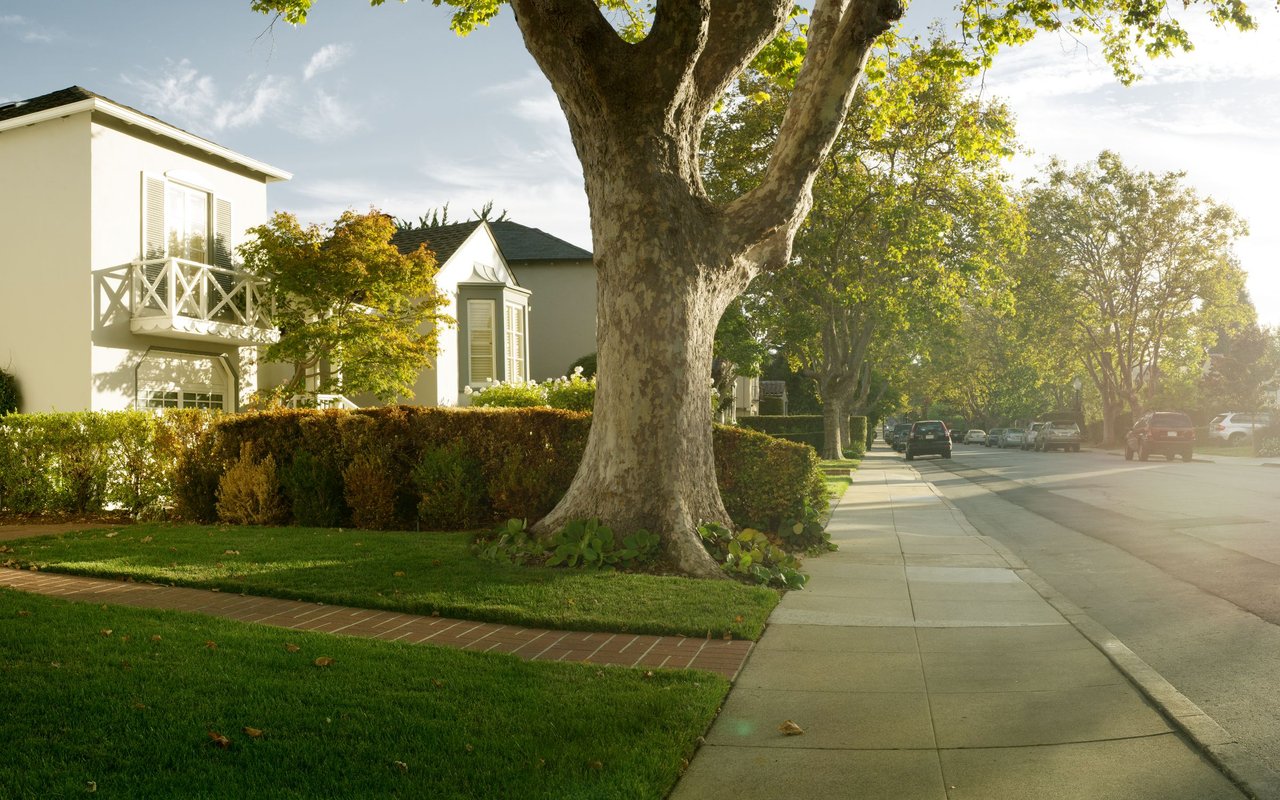
If you want a traditional neighborhood setting, Buellton has several established single-residential areas. The city’s housing element identifies neighborhoods such as Rancho de Maria, Ranch Club, River Grove, Central Avenue, Zaca Street, Burgundy Hills, and Golden Meadows within this general category.
Most of Buellton’s single-residential neighborhoods were built at less than five dwellings per acre. That creates a more conventional in-town feel, but many lots are still more compact than the larger-lot properties you may see elsewhere in the Santa Ynez Valley.
The city’s zoning code allows new RS single-family subdivisions to start at 6,500 square feet with a 65-foot minimum width. Using the city’s density figures as a shorthand, Rancho de Maria averages about 7,300 square feet per dwelling, Valley Station about 5,800, and River Grove about 5,200.
What This Means for You
These neighborhoods can work well if you want straightforward access to town services and amenities. The city describes areas west of Avenue of Flags and south of Highway 246, and east of Freear Drive and north of Highway 246, as primarily single-family residences on relatively uniform-sized lots.
You may also like the convenience factor. Buellton Union School District identifies Buellton as a K-8 community and lists Oak Valley Elementary and Jonata Middle School at 301 Second Street, while the city also notes amenities such as River View Park, Oak Park, and Zaca Creek Golf Course.
The tradeoff is usually lot size and privacy. Compared with more rural valley properties, established Buellton neighborhoods often offer lower-maintenance living, but they typically come with less land and a more compact site layout.
Newer Attached and Mixed-Use Options
If low-maintenance living is high on your list, Buellton’s newer developments deserve a close look. The city says more recent residential development tends to be higher density and specifically highlights Juliette Walk, Buellton Apartments, and Vintage Walk as some of the highest-density projects.
In the city’s density table, Juliette Walk is listed at 24.7 dwellings per acre, Vintage Walk at 21.25, and Buellton Apartments at 25. Converted to gross land-area shorthand, that works out to roughly 1,700 to 2,100 square feet per unit.
The city’s housing element gives useful examples of how these projects differ from classic detached housing. Vintage Walk is described as a mixed-use project with 17 residential units and 10 commercial units, Valley Station includes 36 single-family homes plus a commercial building and a mixed-use building with affordable rental apartments, and Golden Meadows is described as a 20-unit condominium project.
Why Higher-Density Homes Appeal to Buyers
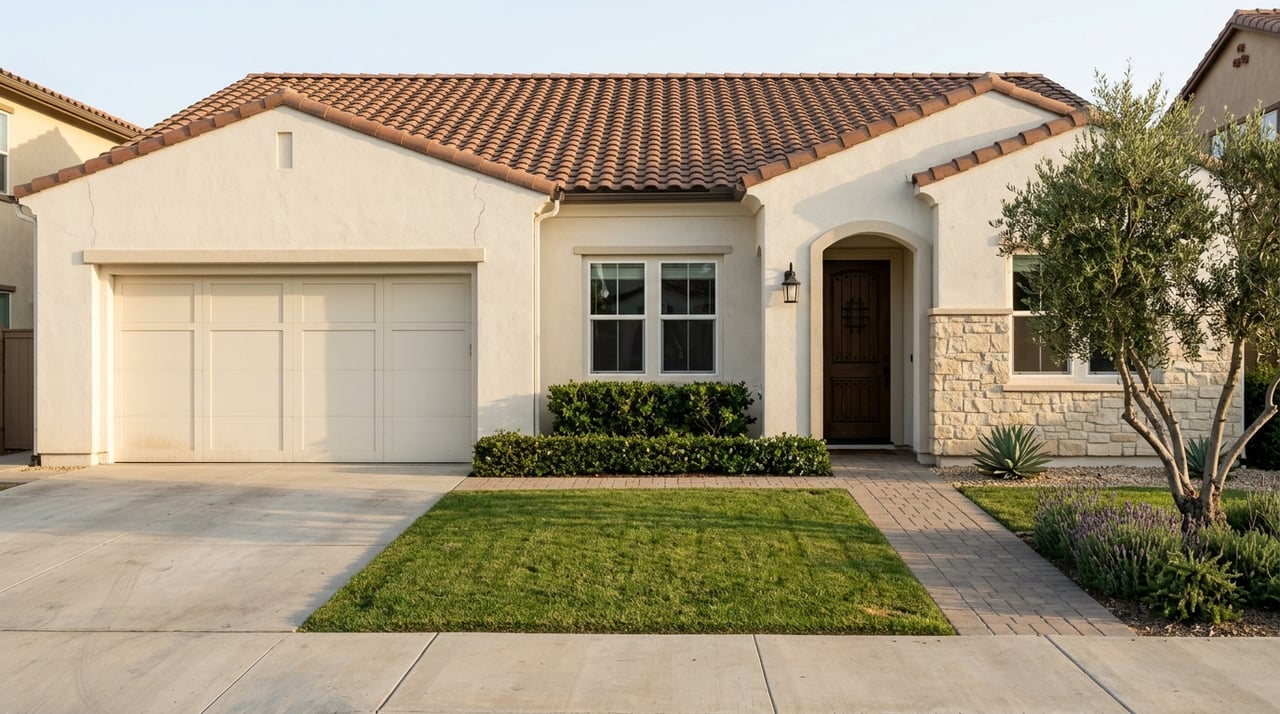
For some buyers, this category offers a simpler ownership experience. Newer construction, shared building form, and more compact sites can mean less private outdoor space to maintain and a more lock-and-leave lifestyle.
Buellton’s PRD zoning framework helps explain why these projects feel different. In PRD zoning, there is no minimum lot size, setbacks are site-specific, buildings are expected to cluster to preserve contiguous open space, and at least 40% of gross acreage must be dedicated as public or common open space.
That setup can be attractive if you care more about efficient living, newer finishes, or common open areas than about having a large private yard. It may be less appealing if your priority is separation from neighbors or larger outdoor areas under your direct control.
Edge-of-Town and Rural-Feeling Homes
At the lower-density end of the market, Buellton includes hillside and canyon neighborhoods that can feel more private or view-oriented. The city’s housing element identifies Oak Creek Hillside, Sycamore Ranch North and Northwest, Ballard Canyon, Thumbelina, La Pita Hillside, and Calor-La Lata in this category.
Their densities range from about 1.09 to 4.21 dwellings per acre. That works out to roughly 10,300 to 40,000 square feet per unit before any site-specific design adjustments, which helps explain why these homes can feel more rural or semi-estate-like within the Buellton market.
This is often the best fit if you want more space, a different relationship to the landscape, or a setting that feels less like an in-town tract. For valley buyers who are considering neighboring communities as well, this category may offer a middle ground between compact Buellton neighborhoods and more broadly rural alternatives nearby.
What to Check Early
These properties can come with more site-specific due diligence. The city’s general plan says land south of Highway 246 is in the floodway fringe of the Santa Ynez River, and land adjacent to Zaca Creek and Thumbelina Creek can flood during major storm events.
The city also moved in June 2025 to adopt and designate 2025 Fire Hazard Severity Zones by ordinance. If you are considering an edge-of-town parcel, it is smart to confirm flood and fire status on a parcel-by-parcel basis early in the offer process.
The city’s planning documents also note that Highway 101 and Highway 246 are Buellton’s main regional corridors, and that much of the residential development along Highway 246 is partially screened by soundwalls and landscaping. So while you may gain more views, privacy, or land, you may also want to weigh traffic-corridor exposure and drainage conditions carefully.
Comparing the Three Main Home Types
Here is a simple way to think about Buellton’s core options as you narrow your search:
| Home type | Typical appeal | Common tradeoff |
|---|---|---|
| Established single-family neighborhoods | Traditional neighborhood feel, easier access to parks and schools, manageable yards | Less land and privacy than rural-fringe properties |
| Newer attached or mixed-use homes | Lower-maintenance living, newer construction, compact layout | Less private outdoor space and tighter site plans |
| Edge-of-town or hillside homes | More space, rural feel, possible views, semi-estate character | More due diligence for flood, fire, drainage, or corridor exposure |
Budget and Lifestyle Matter Together
Price is only one part of the decision. The U.S. Census Bureau reports a median monthly owner cost with a mortgage of $3,109 and a median monthly gross rent of $2,194 in Buellton, which shows how much product type can affect your monthly housing picture.
The same source reports a median household income of $99,936 and an average commute time of 28.4 minutes. For you, that means location, maintenance demands, and how a property fits your routine can matter just as much as square footage.
A compact attached home may support a simpler monthly and maintenance profile. A standard single-family property may offer a balance of space and convenience. A larger or lower-density edge property may deliver the lifestyle you want, but it can also require more diligence and a different ownership mindset.
How Buellton Compares Within the Valley
Buellton is close enough to neighboring communities that many buyers compare them side by side. The city notes that Solvang, Santa Ynez, Ballard, and Los Olivos are all within about six miles.
That makes Buellton a frequent choice for buyers who want strong road access and a more concentrated housing stock. If you are deciding between Buellton and another valley town, the real question is often not which place is better, but which housing format matches the way you want to live.
If you value convenience, compactness, and a clearer range of in-town options, Buellton may stand out. If you want more land, more separation, or a more rural setting, you may still find that in parts of Buellton, but the search usually becomes more property-specific.
A Smart Way to Narrow Your Search
Before you tour too many homes, decide which tradeoff matters most to you. In Buellton, that usually means choosing among yard space, privacy, maintenance level, newer construction, and proximity to town.
A focused search can save you time and help you compare the right properties instead of chasing every new listing. If you want a disciplined, local perspective on how Buellton fits into the broader Santa Ynez Valley market, Wade Koch can help you evaluate the options with clarity and a steady process.
FAQs
What types of homes are most common in Buellton for valley buyers?
- Buellton buyers usually compare established single-family neighborhoods, newer attached or mixed-use housing, and lower-density edge-of-town or hillside properties.
How large are Buellton lots in established neighborhoods?
- The city says new RS single-family subdivisions can start at 6,500 square feet, and its density figures suggest neighborhoods like Rancho de Maria, Valley Station, and River Grove generally offer more compact in-town lots than rural fringe properties.
Are there low-maintenance home options in Buellton?
- Yes. The city highlights higher-density and mixed-use projects such as Juliette Walk, Vintage Walk, Golden Meadows, and Buellton Apartments, which reflect a more compact and lower-maintenance housing style.
What should buyers check for edge-of-town Buellton homes?
- Buyers should confirm parcel-specific flood and fire status early, especially for land south of Highway 246 or near Zaca Creek and Thumbelina Creek, because the city identifies flood considerations and has moved to designate 2025 Fire Hazard Severity Zones.
How does Buellton compare with other Santa Ynez Valley towns?
- Buellton offers a more compact, road-accessible housing mix than some nearby communities, while still giving buyers a range from in-town neighborhoods to more rural-feeling hillside and canyon settings.
Are Buellton schools part of the home search decision?
- For many buyers, yes. Buellton Union School District identifies the city as a K-8 community and lists Oak Valley Elementary and Jonata Middle School, which can make in-town convenience an important part of the comparison.